
IC-BIS 2026 Concludes with Resounding Success! 🌍
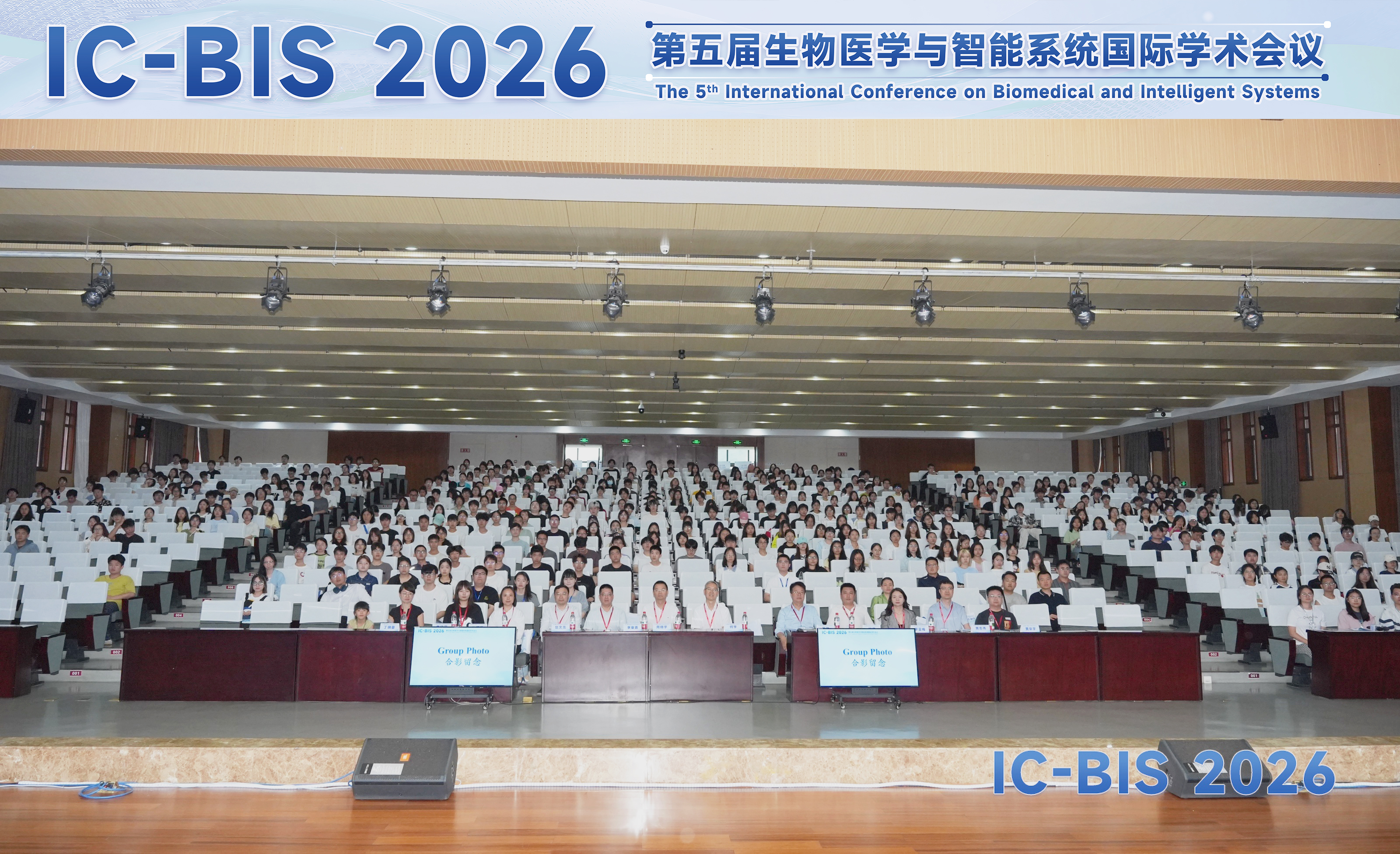
On May 23, 2026, the 5th International Conference on Biomedical and Intelligent Systems (IC BIS 2026) was successfully held at Southwest Medical University. Centered on cutting-edge interdisciplinary fields such as biomedical engineering, intelligent systems, medical artificial intelligence, and clinical big data, the conference adopted an in-person, centralized symposium format. It brought together experts, scholars, and early-career researchers from universities, research institutes, and medical institutions in China and abroad, providing a high-level, open academic exchange platform across disciplines and strongly promoting innovation in the integration of medicine and engineering, the sharing of frontier research fruit, and the in-depth collaborative development of industry, academia, and research.
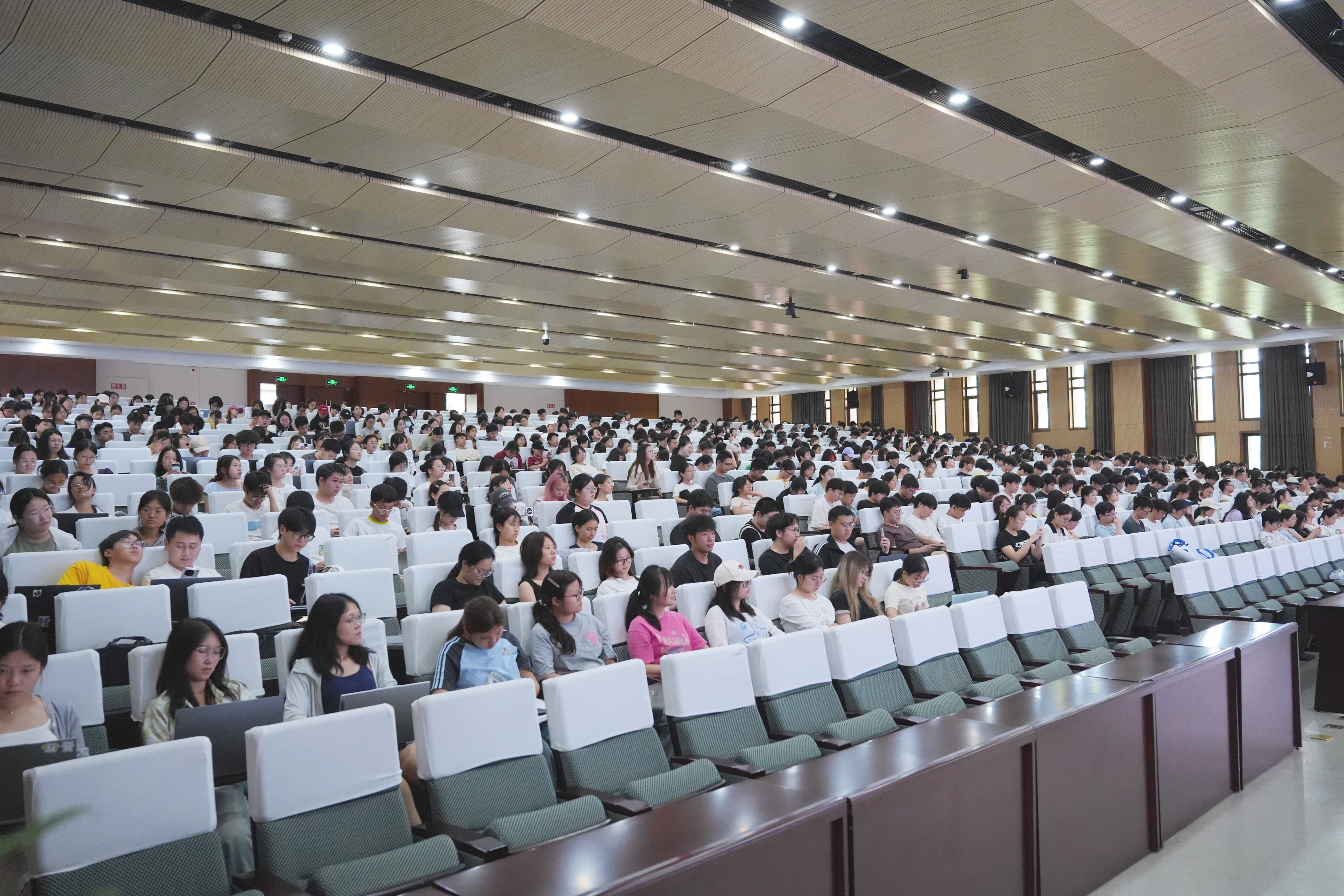
The conference was hosted by Southwest Medical University and organized by the School of Medical Information and Engineering, Southwest Medical University, with support from Sichuan University, University of Electronic Science and Technology of China, and University of Chinese Academy of Sciences. The event maintained a strong academic atmosphere throughout, injecting new momentum into academic exchange and technological innovation in the field of biomedical and intelligent systems.

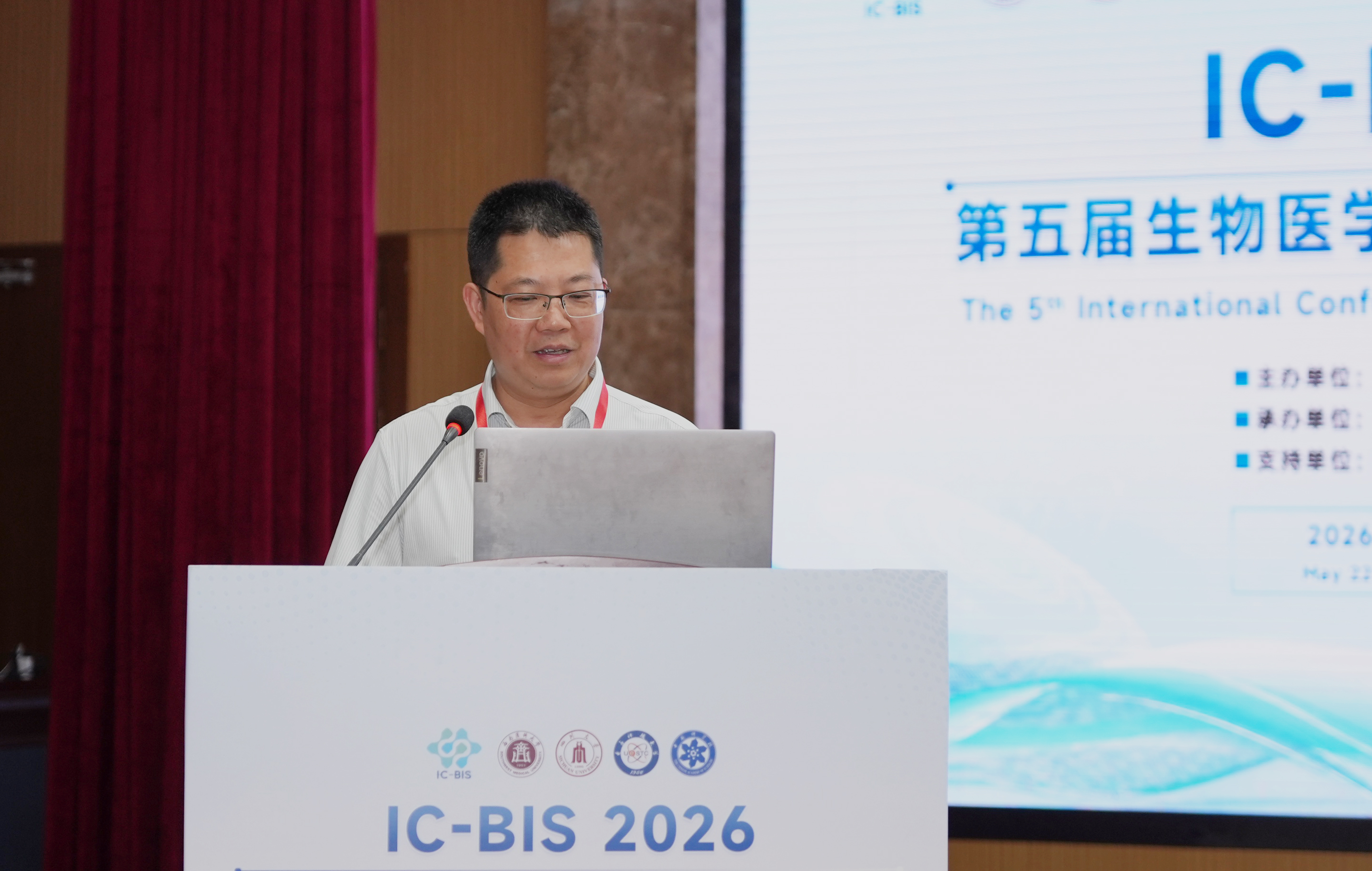
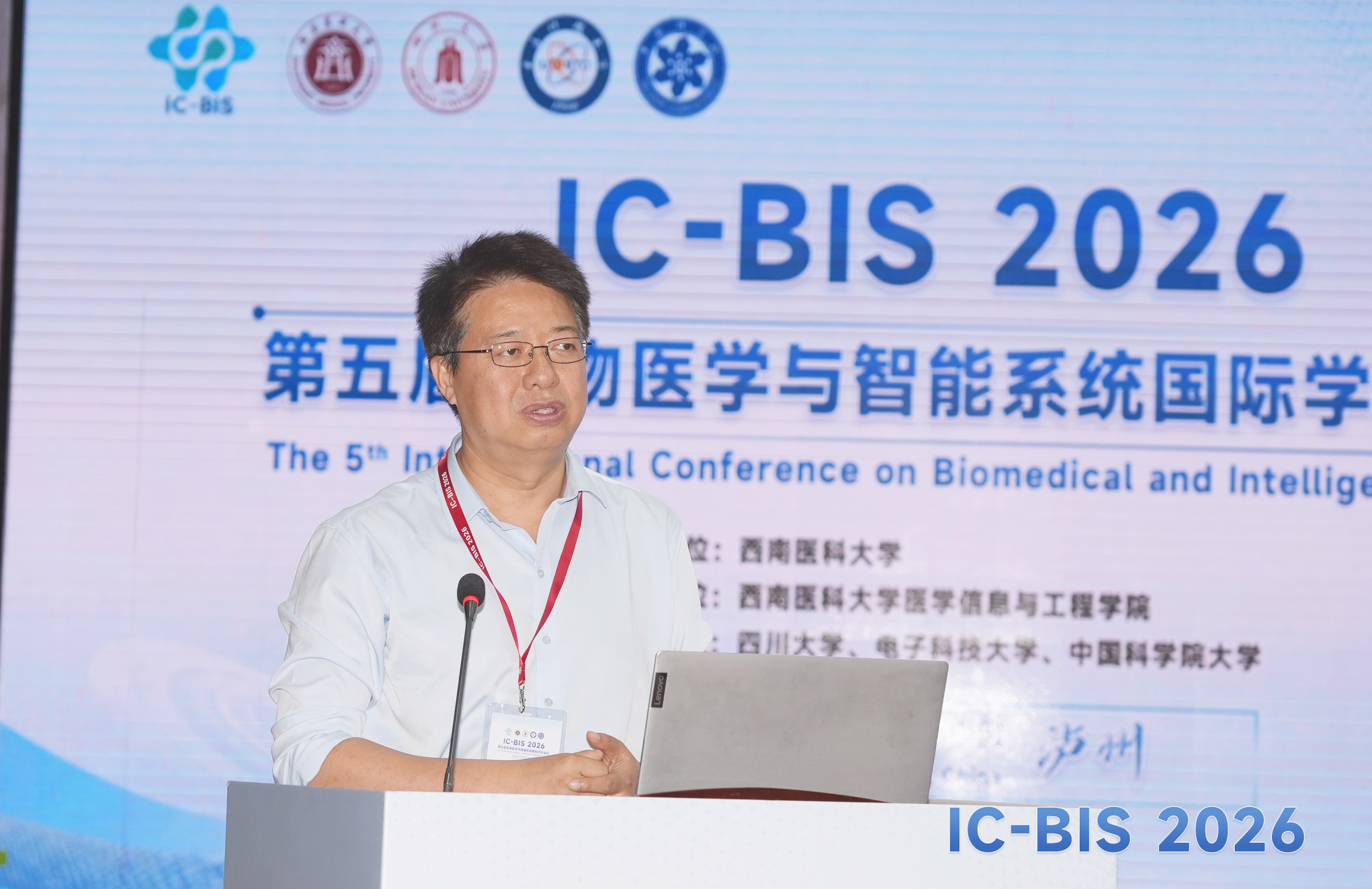
The opening ceremony of the conference was chaired by Professor Xue He from Southwest Medical University. Professor Xiangyu Zhou, Vice President of Southwest Medical University, delivered the opening remarks on behalf of the host institution. He extended a warm welcome to all attending experts and scholars, introduced the university’s achievements in the development of biomedical engineering, intelligent medicine, clinical medicine, and other related disciplines, as well as its research platform layout and talent training accomplishments, and stated that the university would take this conference as an opportunity to further deepen the integration of medicine and engineering, strengthen academic exchange and cooperation at home and abroad, and contribute to the high-quality development of the biomedical and intelligent systems field.
 |  |  |  |
During the conference, sessions including invited talks, hands-on training, and oral presentations were held in parallel, offering rich content and a diverse range of topics. In the invited talk session, Associate Researcher Xiaorong Ding from the University of Electronic Science and Technology of China, Associate Professor Xinwei Li from Chongqing University of Posts and Telecommunications, and Associate Professor Lisha Zhong from Southwest Medical University respectively shared their work on wearable cardiovascular intelligence, intelligent subtyping of brain networks and neuropsychiatric disorders, and predictive models for epileptic EEG signals.
The conference also featured a special training session on AI-enabled medical data governance. Participants received practical instruction on the use of a data annotation management system, strengthening their ability to translate technology into real-world applications.
 |  |  |
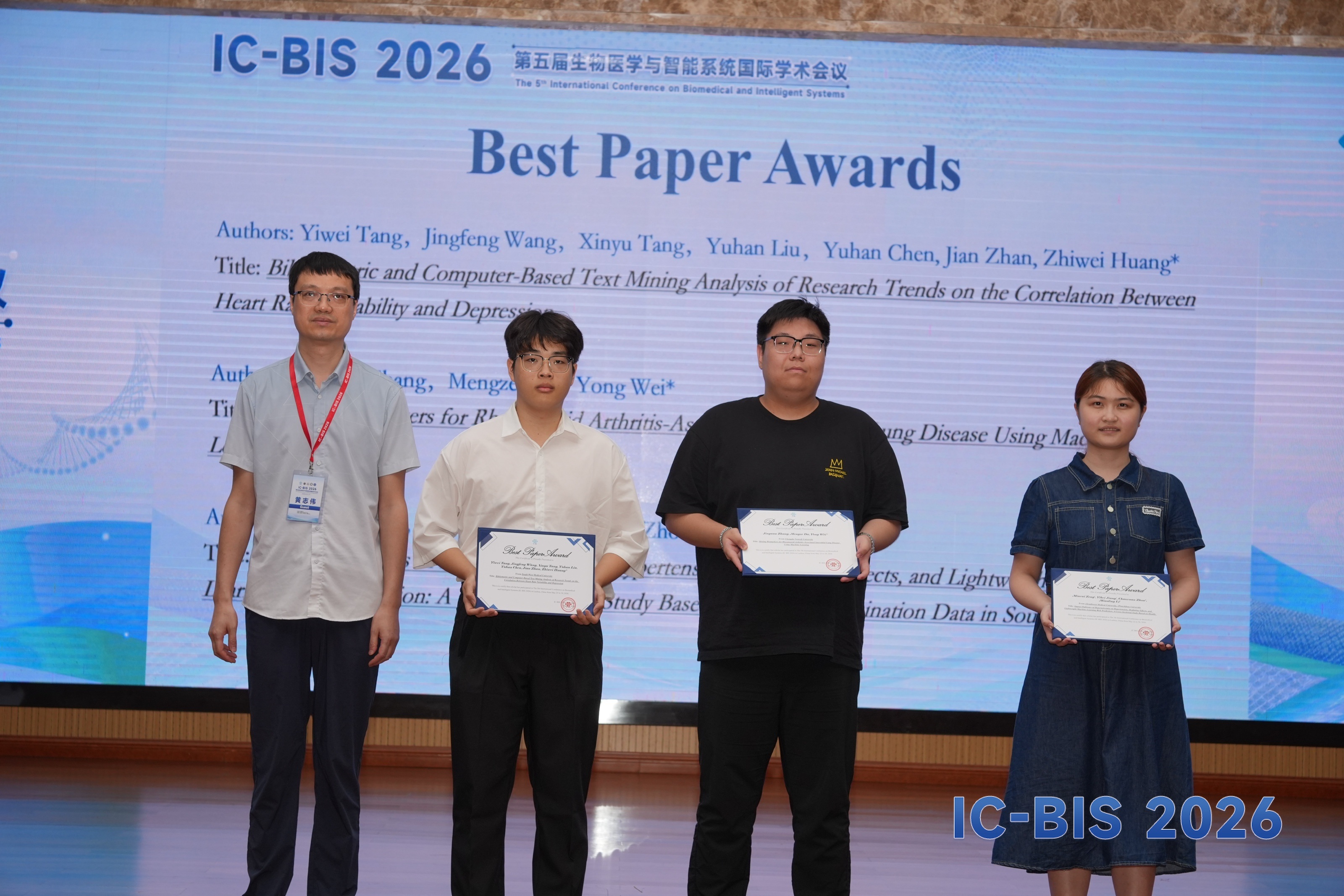
In the oral presentation session, a number of young scholars took the stage in succession to present their latest research findings on cutting-edge topics, including heart rate variability and depression, heart rate and respiration monitoring systems, machine learning-based prediction of gastric cancer, antimicrobial peptide delivery systems, artificial intelligence for rapid magnetic resonance imaging, biomarkers for rheumatoid arthritis, hyperuricemia and hypertension, intelligent tumor analysis, and finite element analysis of implant restoration.
Their presentations were closely aligned with clinical needs and technological innovation, fully demonstrating the vibrant momentum and broad prospects of young researchers in the field of biomedical and intelligent systems.
 |  |  |
The experts and scholars in attendance engaged in in-depth discussions and active interaction on the various presentations, exchanging views on key scientific issues, technical bottlenecks, and potential avenues for collaboration. These exchanges effectively promoted cross-regional and interdisciplinary academic cooperation as well as technological synergy.
The successful convening of IC BIS 2026 further brought together academic insights in the field of biomedical and intelligent systems and showcased a number of innovative research outcomes, providing important support for disciplinary development, technological breakthroughs, and the upgrading of the healthcare industry.
Looking ahead, the conference will continue to uphold the principles of openness, innovation, interdisciplinarity, and integration, and will keep bringing together high-quality academic resources from home and abroad. It will further deepen academic exchange and the translation of research achievements, contributing to innovative development in intelligent healthcare, precision medicine, and biomedical engineering, and offering academic strength to the Healthy China initiative and the upgrading of the high-end medical equipment industry.